
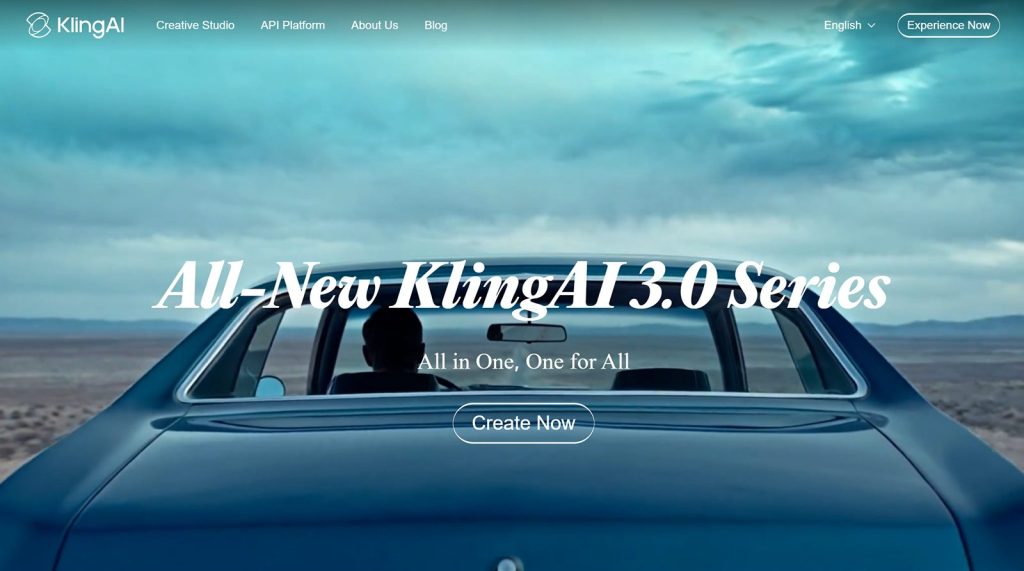
Kling AI is a powerful generative video platform that has quickly become a top competitor in the cinematic AI space. In 2026, it is widely recognized for producing videos with exceptional physical realism and complex motion that many other models struggle to achieve. Whether you are starting with a text prompt or an existing image, Kling can generate high-definition clips up to 2 minutes long (and sometimes up to 5-10 minutes with extensions), making it a favorite for creators who need more than just a 4-second loop. Its recent 1.5 and 2.0 updates have significantly improved its “prompt adherence,” meaning it follows your specific instructions for lighting, character action, and camera movement much more accurately than earlier versions.
The technical strength of Kling AI lies in its specialized control features. It includes a Motion Brush that allows you to literally “paint” the specific area of an image you want to move, and Professional Camera Controls to simulate complex maneuvers like dolly zooms or pans. For creators focused on storytelling, the platform features a unique Elements system; you can upload up to four reference images of a character or a product to ensure they look exactly the same across every video clip you generate. This solves the common AI problem of “morphing” characters and makes Kling a viable tool for building consistent digital influencers or recurring brand mascots.
Beyond its visual capabilities, Kling AI is one of the few platforms to offer native AI-generated sound effects and lip-syncing. This means you can create a character who speaks your uploaded audio with realistic mouth movements and environmental sounds in a single generation process. While the high-quality “Professional Mode” uses more credits and takes longer to render, the result is a 1080p, 60fps video that feels remarkably close to traditional cinematography. It is a comprehensive studio for anyone looking to bridge the gap between AI experimentation and professional video production.