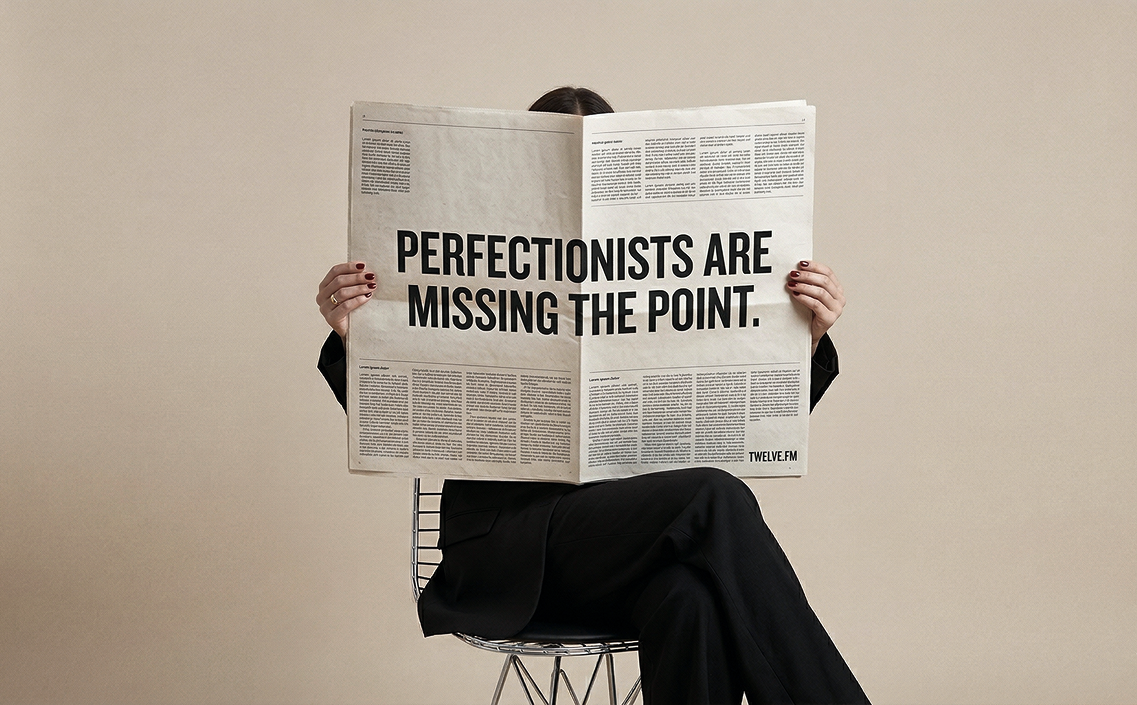

The Perfectionism Trap
You design something. It’s not perfect yet. So you polish. Polish for a day. Still not perfect. Polish for a week. Getting close. Polish for two weeks. It’s beautiful. Ship it. Users say: “It’s pretty but doesn’t work for how I actually use it.” You’re back to the drawing board. Total time: 2+ weeks. And you built the wrong thing.
Why Rough Works Better
Rough design reveals problems quickly. When you show a rough design, users focus on whether it solves the problem. Not whether it’s pretty. When you show a polished design, users get distracted. “This button color feels off.” “The spacing is weird.” “The font doesn’t feel right.” They’re critiquing aesthetics. Not testing whether it solves their problem.
Real Example: The Onboarding That Took a Month vs. A Week
Company A designed a new onboarding flow. Spent 2 weeks creating beautiful mockups. Pixel-perfect spacing. Gorgeous color palette. Smooth transitions. Tested with users. Users got lost. Didn’t understand what to do. Abandoned halfway through. Back to the drawing board. Another 2 weeks. Total: 4 weeks to build the wrong thing twice. Company B designed the same onboarding. Spent 2 days building a rough version with Claude Code. Looked basic. Functioned perfectly. Tested with users immediately. Users said: “This is ugly but I understand it. Here’s what confused me.” Day 3-4: Fixed the confusing parts. Day 5: Released a version that actually worked. Total: 1 week. Working product. Company A: 4 weeks for something that doesn’t work. Company B: 1 week for something that does.
The Psychology of Rough vs. Polish
When you show polished work, people defend it. They’re invested. You spent time on it. It feels permanent. They critique details. “The button should be darker.” “The spacing is too tight.” When you show rough work, people help you. They don’t feel like they’re critiquing your effort. They’re helping you solve a problem. They focus on whether it works. Not how it looks. That feedback is way more useful.
How AI Changes This
AI can build rough versions in days. Not beautiful. Not perfect. But working. Users can interact with it. See if the flow works. Tell you what’s confusing. Then you iterate based on what you learned. Repeat 3-4 times and you have something that actually works. Then you can polish. But you’re polishing something that works. Not guessing about whether it will work.
How This Works
Day 1: Describe what you want to build “New onboarding flow. Users are anxious about signing up. They want reassurance. They want to understand what each step is for. Keep it simple.”
Day 2: Let AI build a rough version. Crude. Not pretty. But working.
Day 3: Test with 5 users “Try to complete onboarding. Tell me what confuses you.” Watch them. Listen.
Day 4: Fix the confusing parts User said: “I didn’t know what this step was for.” Add explanation. User said: “I thought I messed up here.” Add reassurance.
Day 5: Test again with new users Better. But still rough.
Day 6-7: Polish! Now that it works, make it pretty. Total: 1 week. Something that works and looks good. Compare to: 2 weeks polishing something that doesn’t work.
Why This Changes Design Culture
Most design teams are stuck in polish-culture. “We don’t release until it’s perfect.” But perfect isn’t tested. Perfect is guessed. Rough-tested is better than perfect-untested. Teams that understand this ship better products faster.
The Question Designers Ask
“Won’t shipping rough designs look bad? Hurt our brand?” You’re not shipping rough to customers. You’re shipping rough to users internally (or in beta). You’re learning. Then you polish before launch. The final product is polished AND tested. Better than polished and broken.
How To Start This Week
Pick a design you’re working on.
Instead of polishing it:
- Build a rough but working version (use AI tools)
- Test with 5 people
- Get their feedback
- Iterate based on feedback
- Only then polish
Notice how much better the final product is. You learned before you built. Not after.
Conclusion: Rough + Tested > Polished + Guessed
The best design process is:
Build rough → Test → Learn → Iterate → Polish
Not:
Polish → Test → Ugh, it’s wrong → Polish again
AI makes the first process possible. Use it.